





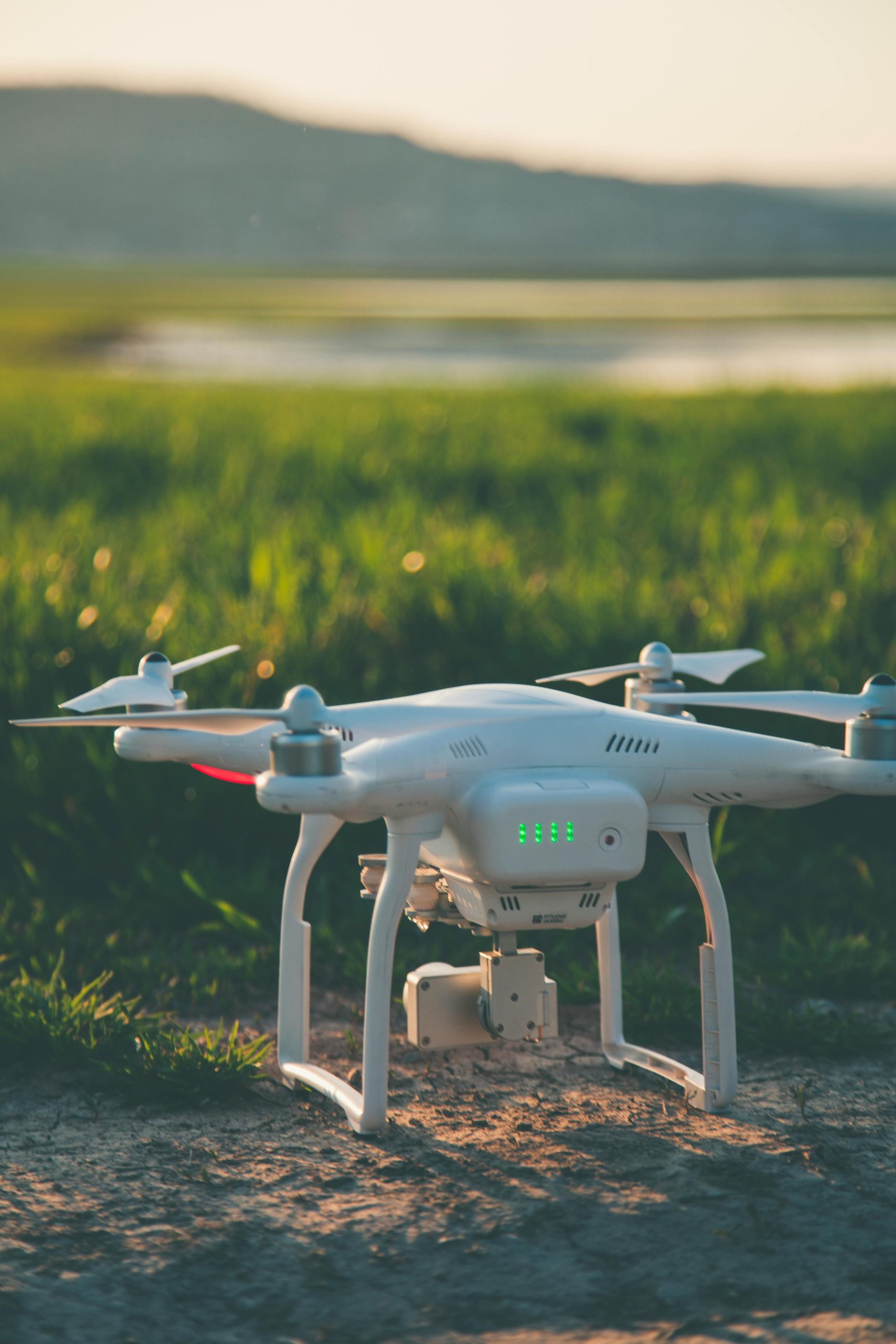
Tethered drones are transforming industries through unlimited flight time and uninterrupted operations. Unlike traditional UAVs limited by battery life, these innovative aircraft connect to ground power stations via lightweight cables, enabling continuous surveillance and monitoring. According to recent industry analysis, the global tethered drone market reached $142 million in 2024 and projects growth to $380 million by 2029. Companies like Elistair lead this technological revolution with cutting-edge solutions. But what happens when traditional drone limitations completely disappear?
Understanding the Core Technology Behind Tethered Flight Systems
Tethered flight systems represent a fascinating convergence of aerospace engineering and power transmission technology. At their heart lies a continuous power supply that fundamentally transforms how drones operate, eliminating the traditional limitations of battery-powered flight.
Topic to read : Unmasking phishing emails: key indicators to watch out for
The core architecture consists of three essential components working in perfect harmony. The ground station houses sophisticated power conversion equipment that transforms standard electrical current into drone-compatible voltage. This power travels through a specialized tether cable engineered to withstand mechanical stress while maintaining electrical integrity. The airborne platform receives this continuous energy supply, enabling indefinite operation without landing cycles.
Recent technological breakthroughs have revolutionized tether cable design. Modern cables integrate fiber optic communication alongside power transmission, creating bidirectional data highways between ground and air. Advanced materials like carbon fiber reinforcement provide exceptional strength-to-weight ratios, while automated cable management systems prevent tangling during complex flight patterns.
Have you seen this : Top strategies for safeguarding your vital files in the cloud efficiently
The power conversion process itself has evolved dramatically. Contemporary ground stations employ smart voltage regulation that adapts to flight conditions, optimizing power delivery based on drone altitude, payload weight, and environmental factors. This intelligent system ensures consistent performance while protecting sensitive onboard electronics from power fluctuations.
Key Advantages of These Continuous Operation Systems
Tethered drone systems deliver compelling advantages that traditional battery-powered aircraft simply cannot match. These continuous operation platforms transform how industries approach aerial surveillance, monitoring, and communication tasks.
- Unlimited flight time: Direct power supply eliminates battery constraints, enabling missions lasting days or weeks without interruption. Industrial facilities can maintain 24/7 perimeter monitoring without operational gaps.
- Enhanced connection stability: Physical tether ensures consistent data transmission and command reliability. Unlike wireless systems prone to interference, tethered connections maintain signal integrity even in congested electromagnetic environments.
- Superior payload capacity: Ground-based power allows heavier equipment integration including high-resolution cameras, thermal sensors, and communication relays. Some systems support payloads exceeding 10 kilograms continuously.
- Reduced operational costs: Eliminates battery replacement cycles and charging downtime. Organizations report up to 70% cost reduction in extended surveillance operations compared to traditional drone fleets.
- Reinforced security: Physical connection prevents signal hijacking and unauthorized control attempts. The tether itself acts as a deterrent while ensuring complete operational control remains with authorized personnel.
These advantages make tethered systems indispensable for mission-critical applications where reliability and endurance determine operational success.
Industrial Applications Transforming Modern Operations
Security surveillance is undergoing a major revolution thanks to tethered drones that maintain continuous 24/7 vigilance. These systems are transforming the protection of sensitive sites by offering permanent aerial coverage, impossible to achieve with traditional drones limited by their battery life. Security forces now have an eye in the sky that never tires.
Industrial inspection is also benefiting from this technological innovation. Critical infrastructure such as pipelines, high-voltage power lines, and offshore platforms can be continuously monitored. This preventative approach is revolutionizing maintenance by detecting anomalies before they become critical, drastically reducing the risk of major incidents.
In the telecommunications sector, tethered drones serve as temporary relays to quickly restore communications in the event of a natural disaster. Their ability to remain precisely positioned for weeks is transforming emergency management and ensuring the continuity of essential services during critical events.
How Advanced Drone Technology Addresses Current Limitations
Traditional drones face significant operational constraints that limit their effectiveness in critical applications. Battery life limitations typically restrict flight times to 20-30 minutes, creating gaps in surveillance coverage and forcing costly operational interruptions for recharging cycles.
Weather conditions and signal interference compound these challenges, often grounding entire missions when reliability matters most. Emergency response teams and security operations cannot afford these unpredictable service interruptions that compromise mission continuity.
Tethered drone technology fundamentally transforms these limitations by providing unlimited flight duration through continuous power supply via lightweight cables. This innovation eliminates battery anxiety while maintaining stable, high-bandwidth data transmission regardless of environmental conditions.
The technology addresses payload restrictions by supporting heavier equipment for extended periods. Advanced stabilization systems compensate for tether dynamics, ensuring smooth operations even in challenging weather. These developments position tethered systems as the foundation for next-generation autonomous surveillance networks, where continuous monitoring becomes the standard rather than the exception.
Future Innovations and Emerging Opportunities
The future of tethered drones is poised to be revolutionary with the integration of artificial intelligence, which will transform these platforms into ultra-sophisticated autonomous systems. Machine learning algorithms will soon enable drones to make real-time decisions, optimize their trajectories, and automatically analyze collected data without human intervention.
The convergence with 5G technology opens up unprecedented possibilities for high-definition data transmission. This combination will allow for ultra-high-resolution video streaming, real-time augmented reality, and the coordination of drone fleets for complex missions. Near-zero latency will revolutionize critical security applications.
The miniaturization of electronic components promises more compact and efficient tethered drones. New composite materials and next-generation batteries will significantly reduce weight while increasing autonomy and resistance to extreme conditions.
These innovations are converging toward fascinating emerging applications: intelligent urban surveillance, automated inspection of critical infrastructure, and support for autonomous vehicles. The space industry is even exploring the use of tethered drones for assembling structures in orbit.
Frequently Asked Questions About Continuous Flight Technology
What are tethered drones and how do they work?
Tethered drones connect to ground stations via power cables, receiving continuous electricity supply while transmitting real-time data through the tether. This eliminates battery limitations for extended operations.
How long can a tethered drone stay in the air?
Unlike battery-powered drones limited to 20-30 minutes, tethered systems can operate indefinitely as long as ground power remains available, enabling days of continuous flight.
What are the advantages of tethered drones over regular drones?
Unlimited flight time, enhanced security through physical connection, real-time data transmission, and reduced risk of signal interference make tethered drones superior for extended missions.
What industries use tethered drones for continuous monitoring?
Border security, emergency response, telecommunications, oil and gas facilities, and event security rely on tethered drones for persistent surveillance and monitoring applications.
Are tethered drones better for surveillance and security applications?
Yes, tethered drones provide uninterrupted coverage, secure data transmission, and reliable positioning for critical security operations where continuous monitoring is essential for mission success.